
Unschooling FAQ: Honest Answers to the Questions Everyone Asks
If you tell someone you unschool your kids, you get the same ten questions every time. From relatives, neighbors, strangers at the grocery store. We’ve heard them all hundreds of times by now.
These are honest answers from a family that’s been doing this for years. Not theory, not philosophy, just what our life actually looks like.
“What About Socialization?”
This is always the first question. Always.
Our kids interact with more types of people than most school kids do. Co-op classes on Tuesdays with kids ages 5 through 14. Soccer practice. Neighborhood friends. The lady at the library who knows them by name. The cashier at the hardware store who shows our son how things work.
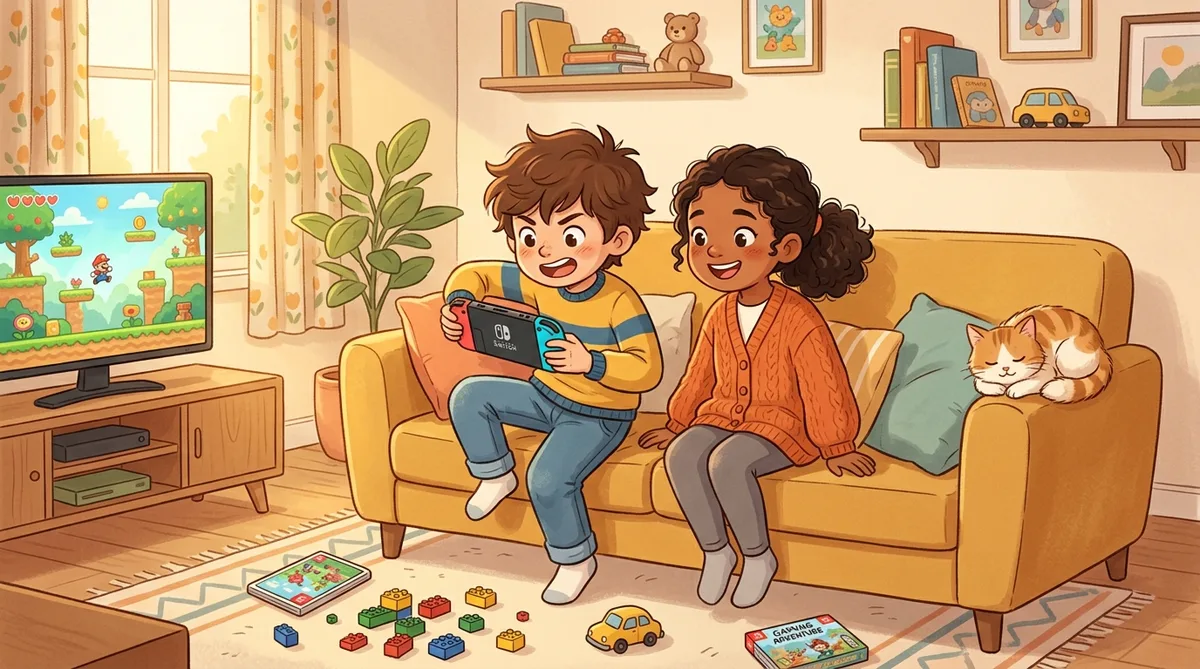
School socializes kids with 25 other kids born the same year. Unschooling socializes kids with the actual world. Our daughter learned negotiation from trading Pokemon cards with the neighbor kid. Our son learned patience from teaching a younger co-op member how to play chess.
What We Tell Relatives
“How Do They Learn Math?”
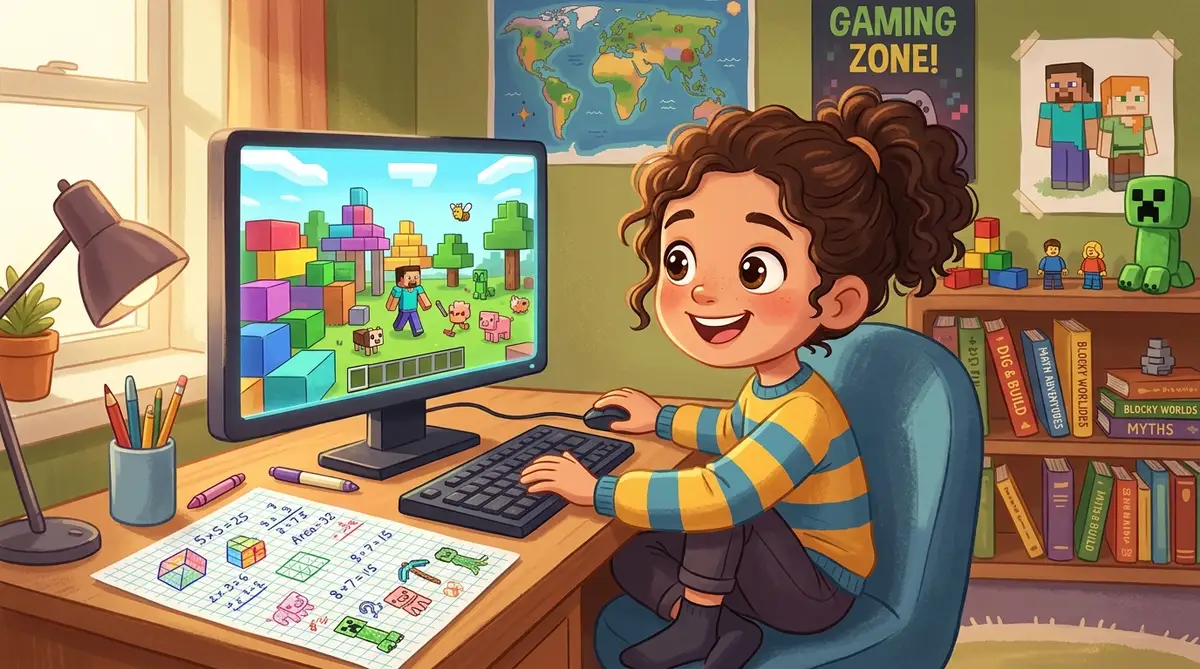
Our son learned binary arithmetic from building redstone calculators in Minecraft. Our daughter practices fractions every time she doubles a cookie recipe. Neither of them learned it from a worksheet.
That doesn’t mean we never use structured resources. Our daughter likes workbooks and will voluntarily work through them. Our son prefers figuring things out through games and building projects. The key difference is that nobody assigns the work. They choose it because they’re interested.
When our son designed zoo enclosures in Minecraft, he spent 45 minutes voluntarily calculating area and perimeter. Try getting a kid to do that with a textbook.
“Will They Be Able to Go to College?”
Yes. Unschoolers get into college, including competitive ones. Many colleges actively recruit homeschooled and unschooled students because they tend to be self-directed learners who actually want to be there.
Portfolio-based admissions are more common now than ever. Our kids are building portfolios without even knowing it: projects, creative work, reading logs, real-world experiences. By the time they’re 16 or 17, they’ll have years of documented interests and accomplishments.
Some unschoolers take community college classes at 14 or 15 to build transcripts. Some take the SAT or ACT without traditional preparation and do fine because they’ve been reading and thinking critically for years. The path isn’t one-size-fits-all, which is sort of the whole point.
“What Do You DO All Day?”
A typical day might look like this: wake up naturally (no alarms), breakfast while reading or watching a science video, a few hours of whatever they’re into that week. Our son might spend the morning coding a Minecraft mod. Our daughter might spend it drawing a graphic novel she’s been working on for months.
Afternoons are usually more active. Co-op, sports, errands with dad, cooking dinner together, building something in the garage. We read together before bed almost every night.
It Looks Like Nothing
“Isn’t It Just Lazy Parenting?”
This one stings a little, but it’s worth answering honestly.
Unschooling is harder than sending your kids to school. Way harder. When kids are in school for seven hours, someone else is managing their day. When they’re home, you’re on. You have to pay attention to what they’re interested in, find resources, set up experiences, answer a thousand questions, and resist the urge to turn everything into a lesson.
It also means trusting the process when it doesn’t look productive. That takes emotional work. When your kid spends a whole week doing “nothing but” drawing cats, you have to believe that sustained creative focus has value. Sometimes that belief is easy. Sometimes it’s terrifying.
“What About Testing and Assessment?”
Florida, where we live, requires an annual evaluation for homeschooled kids. We can either have a certified teacher review a portfolio of the year’s work, or the kids can take a standardized test. We’ve done both.
Portfolio reviews are our preference. A binder of projects, photos, reading lists, and descriptions of what the kids explored that year tells a much richer story than a bubble sheet. Our evaluator has been doing this for 15 years and always says unschoolers’ portfolios are the most interesting ones she sees.
- Check your state’s homeschool laws (they vary a lot)
- Choose your evaluation method early in the year
- Keep a running log of activities, projects, and books
- Take photos of everything (they count as documentation)
- Don’t stress about covering every “subject” (real life is interdisciplinary)
“Don’t They Need Structure?”
They create their own. That’s the part that surprises people.
Our daughter has a morning routine she invented herself: breakfast, feed the cat, draw for 30 minutes, then whatever she wants. Nobody told her to do this. Our son has a weekly rhythm where Mondays are “building days” and Fridays are “game days.” He decided this on his own.
Kids are natural organizers when you give them space. The structure just comes from inside instead of being imposed from outside. It looks different from school structure, but it’s real structure, built around how they actually think and work.
“What About Subjects They Don’t Like?”
Interest-led learning doesn’t mean “only do easy things.” Our son doesn’t love writing, but he writes instructions for his Minecraft builds, scripts for YouTube videos he wants to make, and long text messages to his friends. He’s writing constantly. He just doesn’t call it writing.
Last month, our daughter wanted to sew a stuffed cat. The pattern called for measurements in fractions of an inch. She’d never worked with fractions smaller than halves. We sat down together for about 20 minutes with a ruler and the pattern, and she figured it out because she wanted that cat. Try getting that kind of focus from a worksheet on a Tuesday afternoon.
Some things genuinely aren’t interesting to a kid right now. That’s fine. Interest changes over time. A topic that bored them at 8 might fascinate them at 12.
“Is It Legal?”
Yes, in all 50 states, though the requirements vary a lot. Some states are very relaxed (no notification required). Some want annual testing. Some want curriculum approval.
In Florida, we file a letter of intent with the county, keep a portfolio, and do an annual evaluation. That’s it. No curriculum approval, no mandatory subjects, no required hours.
Know Your State
“How Do I Start?”
Start with deschooling. If your kids have been in school, they need time to decompress before self-directed learning clicks. The general advice is one month of deschooling for every year they were in school.
During deschooling, do nothing educational on purpose. Let them be bored. Let them binge video games. Let them sleep in. The goal is to break the “learning only happens when someone assigns it” mindset.
After that, try a one-day-a-week experiment. Pick one day where there’s no schedule, no assignments, no plan. Just observe what your kids choose to do. You’ll learn more about how they learn in that one day than months of structured curriculum will tell you.
Start Small
Pick one day this week with no plan. Just watch what your kids do with unstructured time. That's your first data point.
Share this article
If this helped, pass it along.